Commercial Waste in Fitzrovia

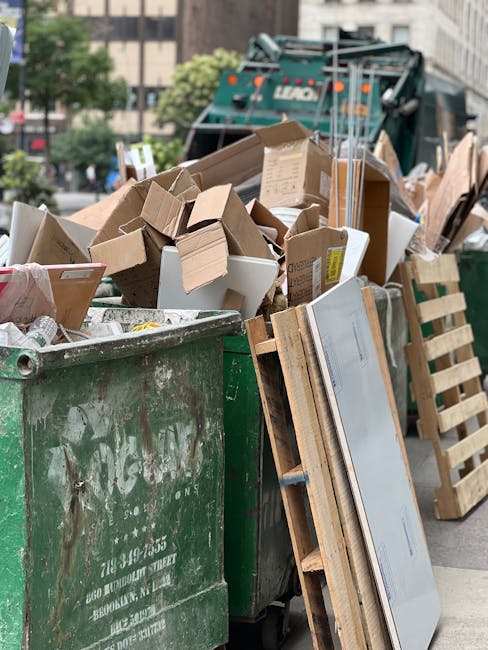
Commercial waste in Fitzrovia needs a practical, well-organised service that handles routine clearances, one-off loads and ongoing business rubbish without turning the day into a disruption. We collect and remove waste from offices, shops, studios, hospitality premises and other commercial settings, with an approach that keeps the work focused on safe handling and clear disposal. The emphasis is on matching the collection to the type of waste, whether that means mixed bagged rubbish, bulky items, cardboard, fixtures or specialist streams that need separate attention.
Our service is built around sensible planning and straightforward communication. If you need help with an office clear-out, a change of tenancy, the removal of furniture or the regular collection of general business rubbish, we can organise the work around the material and the access available on site. That makes it easier to keep aisles clear, protect shared areas and manage waste in a way that fits the pace of your premises. If you are comparing options, start by identifying the waste type and the volume involved.
For a quote, use the enquiry route that best suits your schedule and give a brief outline of the items involved. If you already know whether the waste is general, bulky, recyclable or sensitive, that helps shape the right collection plan. Tell us what needs removing and when it is ready, and we can guide you from there.
Business waste removal for day-to-day operations
Business waste removal suits premises that generate a steady flow of waste rather than a single clear-out. That can include bagged rubbish, packaging, office consumables and mixed materials from day-to-day trading. The service is useful when waste has outgrown bins or when you need a clear collection point for items that should not be left in storage areas, corridors or behind counters. It is a tidy way to keep commercial spaces working as intended.
Where the waste is mainly standard commercial material, the collection plan can be simple and efficient. If there are mixed loads, we look at what can be separated before removal so recyclable items are not pushed into the same stream as general rubbish. If you want to reduce the number of collections needed, sorting at source can help. Cardboard, office paper, broken small items and packaging are common examples that may be easier to manage when grouped sensibly before removal.
Useful ways to prepare a business collection
A short preparation step can make business waste removal more straightforward. Keep materials in a single place where possible, make sure any sharp or awkward items are identified, and avoid mixing rubbish with anything that needs special handling. If the waste comes from a shared building, it also helps to note any loading or access restrictions. The work then becomes a matter of collection and disposal rather than sorting on the spot. For broader service details, see our waste removal page.
Office waste clearance for changes, fit-outs and routine refreshes

Office waste clearance is suitable for clearing desks, chairs, filing items, old equipment, packaging and general non-sensitive office clutter. It can be used during a refit, before a move, after a tenancy ends or simply when the working environment needs to be reset. The aim is to remove what no longer serves the office without creating unnecessary interruption. In practical terms, that means separating bulky items from lighter waste and dealing with each category in a sensible order.
Some office clearances involve only a small number of redundant pieces, while others include complete floor areas, storage rooms or back-office overspill. The useful part of the service is flexibility: it can be shaped to the items, the access and the timing. If there are reusable or recyclable materials in the load, those can be considered before the remainder is treated as general waste. When planning a clearance, it is usually best to list the furniture and equipment first, then any loose waste around it. You can also review our office clearance page if you want a more focused outline of that work.
For sensible office planning, keep sensitive papers separate from ordinary waste and use a dedicated service where required. If shredding is part of the job, confidential shredding provides a more specific route for documents that should not go through a standard clearance. That distinction matters when the office contains archived files, client records or disposal requirements beyond general rubbish.
Furniture disposal and bulky item collection
Commercial premises often accumulate furniture that is too large for normal waste channels, especially after refurbishments, closures or layout changes. Furniture disposal covers chairs, tables, cabinets, shelving, desks and other bulky items that need careful removal from the property. The value of a dedicated approach is that items can be moved out cleanly and disposed of in a way that reflects their condition and composition, rather than being left to block useful space.
Some pieces are straightforward to remove, while others need more care because of weight, size or awkward fixings. Where dismantling helps, that is usually considered before lifting and loading. It also makes sense to group similar items together so the collection can proceed without repeated handling. A clear inventory of large items is helpful when the collection includes both furniture and mixed rubbish, because it lets the work be planned in the right order. See our furniture clearance page for a more detailed service description.
When bulky furniture needs separate handling
Bulky items should not be treated as ordinary rubbish simply because they are no longer wanted. Materials, fixings and condition can all influence how they are removed and where they go next. Furniture disposal is therefore best approached as a distinct task within the wider waste plan, especially in offices, retail units and hospitality spaces where the layout must be restored quickly and safely. For specific item routes, you may also find furniture disposal useful.
Recycling-led clearance for mixed commercial loads
Not every commercial load is best handled as general waste. Many premises produce a mixture of recyclable and non-recyclable material, and a recycling-led clearance can improve the way that load is managed. That might include separating cardboard, paper, plastics, metals and reusable furniture components from the remainder. The result is a more structured collection and a more considered disposal route for the items that leave the premises.
This kind of clearance is especially useful when a business is refreshing stockrooms, reorganising a workspace or clearing out packaging from deliveries. Separating waste before collection makes the process smoother and can reduce unnecessary mixing of materials. It is also helpful when the same premises generate several waste types at once, because the collection can be aligned with the categories rather than forcing everything into one pile. If sustainability is an important part of your waste plan, our recycling and sustainability page explains the wider approach.
Recycling-led working does not mean every item can be reused or recovered, and it should not be presented that way. The practical point is to identify what is suitable for a separate stream and what must go as residual waste. That balanced approach makes commercial waste management more predictable and helps businesses choose the right service for each load instead of assuming one method fits all.
Specialist waste streams and controlled disposal
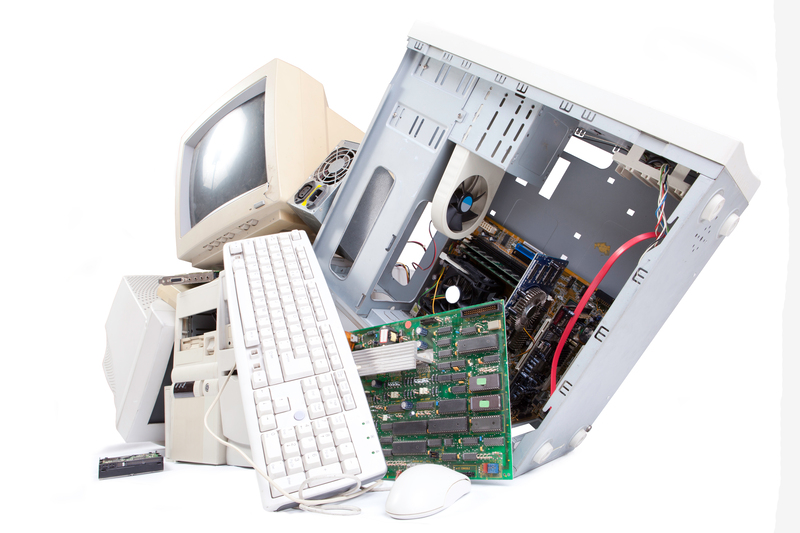
Some business waste demands more than a standard collection because of the item type, condition or handling requirements. Specialist waste streams may include appliances, mattresses, furniture with mixed materials, or items that need extra care before disposal. We treat these separately where appropriate so the work remains safe and the items are handled in the correct way. This is particularly relevant where bulky waste includes components that should not be mixed with everyday rubbish.
Where a load contains appliances, it is sensible to separate them from general furniture and loose waste. A fridge, for example, is not the same as a broken chair or cardboard packaging, and it should be dealt with as its own category. Similarly, if the item list includes mattresses or sofa pieces, the collection plan should account for their size and construction. You can read more about those item types on our fridge and appliance removal and mattress and sofa disposal pages.
For items that fall outside standard mixed commercial waste, early identification matters. That includes waste that may need a specific disposal route because of contamination, condition or material content. If you are unsure what belongs in a standard clearance and what needs separate treatment, a brief description is usually enough to start the conversation. The aim is not to complicate the job, but to make sure each item is handled in a suitable way from the outset.
How commercial collections are organised
Commercial waste removal works best when the collection is arranged around access, item type and the order in which things need to leave the property. In many premises that means starting with loose rubbish and packaging, then moving to furniture, then any specialist items that require extra handling. This keeps the route clear and reduces the need to shift the same item more than once. It also helps the collection stay efficient without making assumptions about the site.
There are a few simple details that make a collection easier to coordinate. Keep items in one place if possible, note any lift or stair restrictions, and flag anything especially heavy or awkward. If the waste is split across several rooms, it helps to say so in advance. A concise list is usually better than a long explanation: what the waste is, roughly how much there is and whether any items need dismantling. If you want to compare larger service categories first, our business waste removal page is a good starting point.
- General waste and bagged rubbish
- Office furniture and loose equipment
- Cardboard, packaging and recyclable materials
- Bulky items that need separate lifting
- Specialist waste that should be identified early
Pricing factors and quotation detail
Commercial waste pricing is usually shaped by the type of material, the overall volume, the access to the premises and whether the load contains bulky or specialist items. A straightforward collection of bagged waste is not the same as a mixed clearance involving furniture and appliances, so it helps to describe the full load rather than just the most obvious pieces. The more accurate the description, the easier it is to prepare a sensible quotation.
Access also matters. A ground-floor collection with easy loading is different from a waste removal that involves upper floors, narrow corridors or limited vehicle access. Where the waste must be dismantled before it can be moved, that can affect the scope too. We do not need a perfect list to begin with, but a useful outline of the main items is better than a vague request. You can review our pricing and quotes page for the information that helps shape a clear estimate.
If you are preparing a quote request, the best approach is simple and factual: say what you need removed, where it is located, and whether it is waste, reusable furniture or a mixed load. That is enough to begin a proper conversation. For many businesses, that first step is all that is needed to move from clutter to a workable plan.
About Fitzrovia
Fitzrovia sits in central London, straddling the boundary between the West End and the wider City of Westminster and London Borough of Camden. Historically it developed from eighteenth- and nineteenth-century streets and squares laid out north of Oxford Street, and its character still reflects that layered growth. The area is known for a mix of Georgian terraces, mansion blocks, late Victorian and Edwardian buildings, and later offices and commercial premises, which gives the streets a dense and varied architectural rhythm. Charlotte Street, Goodge Street and Tottenham Court Road help define how people move through the district, while smaller side streets preserve much of its older grain. The name itself became widely used in the twentieth century and is now associated with the neighbourhood’s artistic and literary heritage, including links to writers, publishers and creative circles that gathered in local cafés and pubs. Fitzroy Square remains one of the area’s most recognisable spaces, with an elegant garden square design that stands apart from the busier commercial streets nearby. The district is also close to major institutions and landmarks such as the British Museum, University College London and the retail and transport corridors around Oxford Circus and Euston Road. That proximity has helped keep Fitzrovia active rather than purely residential, and its mix of uses gives it a distinctive place within central London. Although the neighbourhood is compact, its cultural life is broad, with theatres, galleries, restaurants and long-established pubs adding to a sense of constant movement. Even today, it retains the feel of a place shaped by successive layers of work, living and creative activity rather than by a single function or uniform plan.
Clearing offices, shops and mixed premises

Many commercial properties contain a mixture of waste types at the same time, so a useful clearance service needs to adapt to the setting. Offices may contain paper waste, broken chairs and obsolete equipment; shops may have packaging, display units and stockroom clutter; hospitality premises may have worn furniture, mixed refuse and items left after a change in layout. The point of a commercial waste service is to deal with that mix without forcing the customer to sort it into separate jobs unless there is a clear reason to do so.
Where the premises are still operating, timing and access can matter as much as the waste itself. It may be better to remove items before opening, after closing or during a quieter period. For some properties, the most useful plan is a staged clearance that starts with the biggest obstructions and finishes with loose waste and smaller items. That approach keeps walkways usable for longer and avoids unnecessary disruption while the work is underway. If your load is mainly premises-wide furniture, the home clearance style pages are not the right fit, whereas our commercial routes are designed for business settings.
Different premises often create different waste patterns, but the principle remains the same: identify the load, keep the route clear and choose the most suitable disposal method for each category. That is why commercial waste removal is more effective when the quote request includes both the obvious items and the less visible waste stored in cupboards, basements or back rooms.
Operational details for a cleaner collection
There are two pieces of practical advice that help most commercial clearances go smoothly. First, gather the waste into one accessible area where possible, so the collection does not involve searching through multiple rooms or work zones. Second, note anything that needs special handling before the team arrives, especially if the load contains sharp edges, glass, wet materials or heavy equipment. Those simple steps reduce confusion and make it easier to complete the work in the order that suits the premises.
If your business produces mixed waste regularly, it can be worth separating routine rubbish from occasional bulky items. That way, the collection can deal with standard waste without being slowed down by one or two large pieces that need extra attention. It is also sensible to keep any confidential papers, electronics or specialist waste apart from ordinary rubbish if those items require another route. For recurring business needs, our book online route may suit straightforward arrangements, while more detailed jobs can be described in writing before a quote is prepared.
When you are ready to make an enquiry, include the basics and keep the wording direct. What matters most is the waste category, the approximate volume and the setting. A clear description helps us respond sensibly, and it helps you avoid paying for a service broader than the job actually requires.
Household-style items in commercial settings

Commercial waste is not always limited to office paper and packaging. Many businesses also need help removing items that are more often associated with homes, such as sofas, mattresses, fridges or furniture that has become unusable through normal business use. In practice, these items still need to be handled as part of the commercial load, but they should be identified clearly so the right collection method is used. That is especially important when a premises is changing use or clearing out a staff area, rented unit or hospitality space.
In mixed loads, the useful distinction is not whether an item looks domestic, but whether it needs a specific disposal route. A sofa in a waiting area, a mattress from accommodation above a business unit or an appliance from a break room may all require different handling from standard rubbish. If you need a focused route for a single item type, the pages on flat clearance, house clearance and garage clearance can help distinguish domestic from commercial contexts, while the current service remains the right choice for business premises and mixed commercial waste.
Ready to move on from clutter? Send a concise description of the waste and request a quotation. If the load includes bulky items, mixed materials or anything that needs separate handling, say so from the start. That final detail is often what turns a general enquiry into a clear, workable plan.