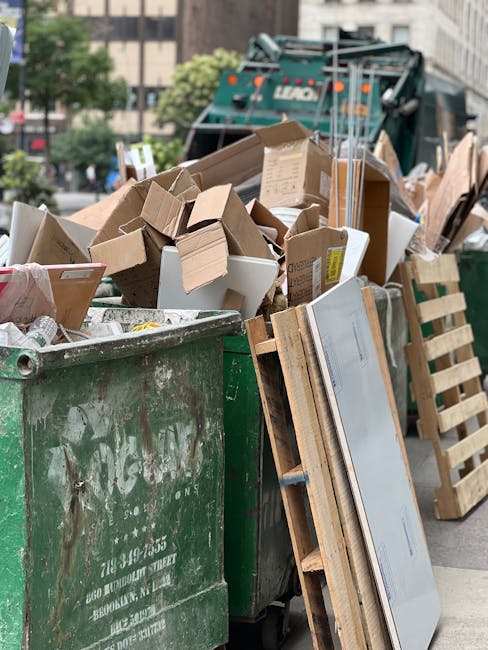
Goodge Street W1T same day rubbish collection for shops
If you run a shop near Goodge Street, you already know how quickly waste builds up. Cardboard boxes stack near the till, broken packaging appears after deliveries, and one bad trading day can leave a back room looking like chaos. That is where Goodge Street W1T same day rubbish collection for shops becomes genuinely useful: it helps you clear commercial waste fast, keep your premises presentable, and avoid the awkward dance of working around overflowing bins.
This guide explains how same day shop waste collection works, when it makes sense, what to expect on the day, and how to avoid common mistakes. It also covers practical compliance points, comparison options, and a simple checklist you can use before booking. Let's face it, in retail, a clear floor and a clear yard can matter as much as what is on the shelves.
For shop owners who want a broader view of commercial clearance options, it can also help to look at business waste removal and the wider waste removal service pages before deciding what best fits your site and workload.
Table of Contents
- Why Goodge Street W1T same day rubbish collection for shops Matters
- How Goodge Street W1T same day rubbish collection for shops Works
- Key Benefits and Practical Advantages
- Who This Is For and When It Makes Sense
- Step-by-Step Guidance
- Expert Tips for Better Results
- Common Mistakes to Avoid
- Tools, Resources and Recommendations
- Law, Compliance, Standards, or Best Practice
- Options, Methods, or Comparison Table
- Case Study or Real-World Example
- Practical Checklist
- Conclusion
- Frequently Asked Questions
Why Goodge Street W1T same day rubbish collection for shops Matters
Retail spaces in Fitzrovia and the Goodge Street W1T area often work on a tight rhythm. Deliveries arrive early, customers pass by all day, and staff need space to keep things moving. Waste does not politely wait for a convenient slot. It turns up after a refit, after stockroom tidying, after a product launch, or after a simple week of heavy trade.
Same day rubbish collection matters because shop waste is not just a tidiness issue. It can affect:
- customer experience at the front of house
- safe movement in stockrooms and corridors
- back-of-house fire exits and access routes
- staff morale, especially in small teams
- the impression your business gives to neighbours and passers-by
On a busy London street, a pile of mixed rubbish can look messy very quickly. You may have seen it yourself at 7pm on a damp evening: flattened boxes, a black bag that split open, maybe a bit of food waste smell drifting out. Not ideal. Fast collection keeps that from becoming tomorrow's problem.
There is another side to it, too. Shops often cannot store waste for long. Space is limited, and some waste types should not sit around. If you deal with packaging from deliveries, damaged display items, or the sort of miscellaneous junk that accumulates in a back room, speed is often the difference between "manageable" and "we really need this gone now".
If your waste includes office paperwork, old files, or customer information, you may want to pair waste clearance with confidential shredding so sensitive materials are handled properly rather than just tipped into a mixed load. That small step can save a lot of worry later.
How Goodge Street W1T same day rubbish collection for shops Works
The process is usually more straightforward than people expect. In most cases, same day shop rubbish collection follows a fairly practical flow.
- You describe the waste. Tell the provider what needs removing, roughly how much there is, and whether anything is awkward to carry or restricted.
- The collection is scheduled for later the same day. Timing can depend on route planning, street access, and how urgent the job is.
- The team arrives with the right vehicle and equipment. For shop waste, that often means trolleys, sacks, lifting gear, and enough crew to move items efficiently.
- The waste is sorted and loaded. Reusable, recyclable, and non-recyclable items may be separated where possible.
- The area is left clear. A good team does not just remove the waste and vanish. They should leave the working area tidy enough for staff to get on with the day.
That is the simple version. In real life, a few things can slow it down. Access might be tight. A delivery truck may already be blocking the kerb. The waste may be in the basement, or up a narrow stairwell, which changes the labour involved. Good collection planning takes those details seriously.
Some shops also need items removed that are bulky rather than loose. Shelving, display units, broken fridges, old counters, packaging pallets, or stockroom furniture all need a slightly different approach. In those cases, it may be worth looking at related services such as fridge and appliance removal or furniture disposal if the waste is more than simple bagged rubbish.
Expert summary: the best same day shop collection is not just quick; it is planned. Clear access, accurate waste description, and realistic timing make the whole thing smoother, safer, and usually better value.
Key Benefits and Practical Advantages
The obvious benefit is speed. But that is only part of it. Same day collection gives shop managers a few practical wins that are easy to underestimate until they are missing.
1. Less clutter, less stress
A back room full of waste makes every task harder. Staff waste time stepping around bags or shifting boxes just to get to stock. Remove the clutter, and the whole shop feels calmer. Simple, really.
2. Better presentation
For customer-facing businesses, first impressions matter. If waste is visible near an entrance, side alley, or storage door, the site can look neglected even when the sales floor is immaculate.
3. Faster turnaround after deliveries, refurbishments, or clear-outs
Many shop owners only need clearance on certain days. After a seasonal changeover, a delivery surge, or a mini refit, the waste can appear all at once. Same day collection helps you reset the space quickly rather than leaving it half-finished until next week.
4. Better use of limited space
In central London retail, every square metre counts. If a stockroom becomes a temporary dump zone, you lose operational space. A fast clearance puts that space back to work.
5. Reduced risk of complaints or hazards
Loose packaging, broken items, and stacked bags can cause trips, block access routes, or create nuisance for neighbours. You do not need a dramatic incident for this to become a headache. Sometimes it is just one misplaced box at the wrong moment.
For shops that regularly produce mixed waste streams, it can also be helpful to understand how the business handles broader commercial collections. The pricing and quotes page is useful when you want to compare the likely cost of one-off clearance versus regular support, while recycling and sustainability explains how recyclable materials may be dealt with more responsibly.
Who This Is For and When It Makes Sense
Same day rubbish collection is not only for emergencies. In practice, it suits a lot of shop scenarios.
- Independent retailers who have limited storage space and need fast turnaround after deliveries
- Convenience stores and off-licences dealing with constant packaging, damaged stock, and bagged refuse
- Clothing shops clearing display fixtures, hangers, packaging, or old stockroom furniture
- Beauty, wellness, and specialist shops where customer presentation matters and clutter simply cannot build up
- Pop-ups and seasonal traders who need a quick clear-out at the end of a short trading run
- Refurbishment projects where waste suddenly appears in volume and needs shifting fast
It makes sense when you have a deadline. Maybe the landlord is visiting. Maybe a new delivery is due tomorrow. Maybe your team has spent an hour trying to clear a passageway that should have taken five minutes. Or maybe, truth be told, you are just tired of staring at the pile and thinking "we'll sort that tomorrow."
It is also sensible when you need a one-off shop clearance rather than ongoing waste contracts. If the issue is a burst of waste rather than a permanent daily stream, fast ad hoc collection can be more efficient than trying to patch together staff time and small car trips.
Step-by-Step Guidance
If you want the smoothest experience possible, here is the simplest way to prepare.
Step 1: Separate what can stay from what must go
Before booking, decide whether the waste is general rubbish, recyclable packaging, furniture, electrical items, or potentially hazardous material. A mixed heap is harder to quote and slower to collect. Even a rough sort helps.
Step 2: Measure the volume honestly
You do not need to become a surveyor. Just estimate whether the load is a few sacks, a van-load, or more. Over- or under-estimating can lead to delays or extra labour. Better to be plain about it.
Step 3: Check access points
Think about the route from the waste to the vehicle. Are there narrow stairs? Is there a loading bay? Does someone need to open a shutter or unlock a side gate? Small details, big difference.
Step 4: Move valuable or sensitive items away
If the room contains stock, cash handling equipment, computers, or paperwork, move those out of the way before collection. It sounds obvious, but in a busy shop it is easy to forget one box tucked behind a bigger pile.
Step 5: Ask about prohibited items early
Some waste types need specialist handling. If you have chemicals, paint, aerosols, batteries, or other risky materials, say so at the start. For shop owners dealing with unusual materials, hazardous waste disposal is worth reviewing before anything is booked in a hurry.
Step 6: Confirm timing and point of contact
Same day means the timing matters. Make sure someone on site knows when the crew is expected and who will sign things off. A delayed handover can waste half the benefit of a quick collection.
Step 7: Leave room for the team to work
If possible, clear a path to the waste before the crew arrives. You will usually get a faster and cleaner result if they can get straight to the load instead of shifting five things to reach one.
Expert Tips for Better Results
In our experience, the smoothest collections come down to preparation more than luck. A few small decisions make a surprising difference.
- Keep recyclable packaging separate where practical. Cardboard, clean paper, and some plastics are easier to deal with if they are not mixed into food waste or broken fixtures.
- Take photos before booking. A couple of clear images can help the collection team understand the load and avoid underestimating the job.
- Bundle long items neatly. Loose shelving, display rails, or flattened board waste takes longer to handle if it is awkwardly scattered.
- Choose the quietest window in your trading day. Late morning or early afternoon often works better than the opening rush or close-down period, though every shop is different.
- Ask how loading will happen. If the waste sits on a basement level or in a rear yard, mention it. No one enjoys surprise staircases.
Another practical point: keep an eye on the weather. A wet London afternoon can turn cardboard into a mushy, half-collapsed mess very quickly. If you know rain is due and the waste is light and absorbent, it is usually better to move sooner rather than later.
And yes, sometimes the best advice is boring advice. Label things. Stack them neatly. Keep the route open. Boring works.
Common Mistakes to Avoid
A lot of collection problems are avoidable. Here are the ones that cause the most hassle.
Leaving the booking until the waste has already become a problem
If you wait until bags are blocking access or the back room is overflowing, you lose options. Same day service is there for urgency, but a bit of lead time still helps.
Mixing everything together
It is tempting to throw all waste into one pile and deal with it later. That usually makes the job slower, sometimes dearer, and occasionally messier than it needs to be.
Not mentioning access restrictions
Kerbside access, pedestrian-only stretches, loading time windows, and stair-only routes all affect collection planning. If you hide the awkward bits, they do not disappear. They just show up on the day.
Assuming every item can go in the same load
Some items need specialist handling or separate disposal. A broken fridge, for example, is not the same as cardboard packaging. If you are unsure, ask first.
Forgetting about safety
Sharp edges, broken glass, heavy boxes, and unstable stacks can injure staff. If something is difficult to move safely, pause and get a proper plan rather than trying to "just lift it quickly". That phrase causes trouble in real life more often than people admit.
Tools, Resources and Recommendations
You do not need a big toolkit to manage shop rubbish well. Still, a few basics help.
- Heavy-duty sacks for loose packaging and mixed refuse
- Marker pen and labels to identify what is waste, what stays, and what needs separate handling
- Hand trolley or sack truck if staff regularly move boxes to a holding point
- Phone camera for quick photos before booking
- Measuring tape if you need to estimate bulky items or gate clearances
From a planning point of view, a few pages on the site can help you make better choices. If your waste includes old office furniture, the office clearance page is relevant. If the load is more general mixed rubbish, waste removal is the more useful starting point. For clothing rails, shelving, or display units, furniture clearance may be a better fit.
If you are still comparing what you can and cannot dispose of, what can go in a skip is also a practical reference point, especially if you are weighing up whether a skip or a collection crew makes more sense for your site.
Law, Compliance, Standards, or Best Practice
Retail waste handling in the UK is not something to treat casually. You do not need to become a compliance expert, but you should follow sensible best practice and work with a provider who understands commercial waste responsibilities.
In plain English, that means:
- keeping waste separate where practical
- avoiding the disposal of restricted or hazardous materials without proper handling
- making sure waste is collected by a suitable and trustworthy operator
- keeping your business premises safe and access routes clear
- retaining any records or paperwork you are given for peace of mind
If your shop handles items such as batteries, chemicals, aerosol cans, cleaning products, refrigeration units, or anything else that might be classed as higher risk, do not guess. Ask for specific guidance before collection. It is far better to pause for a minute than to create a bigger issue later.
Best practice also includes staff safety. Lift sensibly, do not overfill bags, and do not place sharp objects loosely into mixed waste. If you are not sure whether an item is safe to add to the pile, treat it as separate until confirmed. That is the cautious approach, and honestly, the sensible one.
For businesses wanting reassurance around operational standards and site handling, the pages on health and safety policy and insurance and safety provide useful context on how a responsible service should think about risk.
Options, Methods, or Comparison Table
Not every shop waste problem needs the same solution. Sometimes a same day collection is the perfect answer. Sometimes a slower, scheduled approach is enough. Here is a simple comparison.
| Option | Best for | Pros | Limitations |
|---|---|---|---|
| Same day rubbish collection | Urgent clear-outs, overflowing waste, post-delivery mess | Fast, convenient, minimal disruption | May cost more than planned collections; requires readiness on site |
| Scheduled waste removal | Regular waste streams and repeat business needs | Predictable, easier to budget, good for ongoing routines | Not ideal when waste appears unexpectedly |
| Skip hire | Larger jobs with space for a container | Useful for longer projects and self-loading | Needs street space and planning; not always suitable for tight retail frontages |
| Internal staff clearance | Very small amounts of light waste | Low direct cost | Takes staff time, can be inefficient, and may still need proper disposal afterwards |
For a small shop on Goodge Street, same day collection often wins when the waste is bulky, awkward, or time-sensitive. If the issue is only a few sacks every now and then, a different route might be enough. The right choice depends on how quickly the space needs to be usable again.
Case Study or Real-World Example
A small independent clothing shop near Goodge Street had a classic end-of-season problem. Racks had been reorganised, damaged packaging had piled up, and several old display items were waiting in the stockroom because no one had time to deal with them during trading hours. Nothing dramatic, just the sort of slow build-up that makes a room feel smaller every day.
The manager needed the area cleared before a fresh stock delivery the next morning. The team took a few photos, separated the cardboard from the bulky fixtures, and made sure the back entrance was clear. One point of contact stayed on site while the collection was carried out. The result was simple: the stockroom was usable again, the delivery could be received properly, and staff started the next day with a clean space rather than a pile of "we'll get to it later".
That is usually the real value of same day rubbish collection for shops. Not drama. Just a smoother day tomorrow.
Practical Checklist
Use this before you book.
- Have I identified exactly what needs removing?
- Have I separated general waste, recyclable items, and anything potentially hazardous?
- Have I checked access routes, stairs, gates, and loading space?
- Have I estimated the amount of waste honestly?
- Have I taken a few photos to help explain the job?
- Have I moved valuable stock, cash equipment, or sensitive paperwork away?
- Have I made sure someone authorised will be on site?
- Have I checked whether any items need specialist handling?
- Have I cleared a path so the collection team can work efficiently?
- Have I decided whether same day collection is the right fit, or whether a planned collection would do?
If you can tick most of those off, you are in good shape. If not, take five minutes and sort them now. It usually saves an hour later.
Conclusion
Goodge Street W1T same day rubbish collection for shops is about more than removing bags and boxes. It is about keeping retail spaces workable, presentable, and safe when waste builds up faster than your team can reasonably handle. For small businesses, that speed can make a real difference.
The key is to prepare well, describe the load clearly, and choose a service that understands commercial access, bulky items, and the practical realities of working on a busy London street. If you do that, the process is usually straightforward and refreshingly unglamorous - which, in waste removal, is exactly what you want.
Get a free quote today and see how much you can save.
And if your shop has been feeling a bit cramped lately, there is a good chance a clear-out will do more than just tidy the floor. It can give the whole place a cleaner rhythm again.
Frequently Asked Questions
What counts as same day rubbish collection for shops?
It means waste is assessed and removed on the same day you request the service, subject to availability, access, and the type of rubbish involved. For shops, that often covers packaging, mixed commercial waste, bulky items, and stockroom clutter.
Is same day collection suitable for a small retail shop?
Yes, very often. Small shops usually benefit most because they have limited storage space and need waste gone quickly to keep trading smoothly.
Can you collect shop rubbish from a back room or basement?
Usually yes, provided access is safe and practical. It is important to mention stairs, narrow corridors, or any difficult route before booking so the team can plan properly.
What types of waste are most common in shops?
Cardboard, packaging, broken fixtures, old shelving, unwanted stock, mixed rubbish bags, and sometimes appliances or office items from the staff area are common examples.
Do I need to sort the waste before collection?
It helps a lot. Even a basic split between general waste, recyclables, and bulky items makes collection easier and can improve efficiency. You do not need to overdo it, just make it sensible.
What if my shop has electrical items or a broken fridge?
Say so in advance. Electricals and appliances may need separate handling, and some items should not be treated as ordinary rubbish. For that reason, specialist disposal is often the safer route.
How do I know if the waste is classed as hazardous?
If it includes chemicals, aerosols, batteries, paint, cleaning products, or similar risky materials, treat it cautiously and ask before booking. When in doubt, do not mix it into general waste.
Is same day rubbish collection more expensive than regular collection?
It can be, because the service is urgent and often requires flexible scheduling. That said, the cost may be worth it if you need the shop clear right away or want to avoid staff downtime.
Will the team clear up after removing the waste?
A professional crew should leave the area tidy once the waste is loaded. They are not there to redecorate the stockroom, but they should leave it usable and free of loose debris.
How quickly should I book if I need the waste gone today?
As early as possible. Same day service depends on route planning and availability, so a prompt call or online booking gives you the best chance of securing a suitable slot.
Can same day collection work alongside shop refits or deliveries?
Yes, and that is one of its best uses. If your shop is being refitted or receiving a large delivery, fast rubbish removal keeps the project moving and helps avoid a messy overlap.
What should I do before the collection team arrives?
Clear a path, keep valuables and paperwork separate, and make sure someone is available to show the team what needs removing. A few minutes of prep can save a surprising amount of time.
Get a free quote today and see how much you can save.